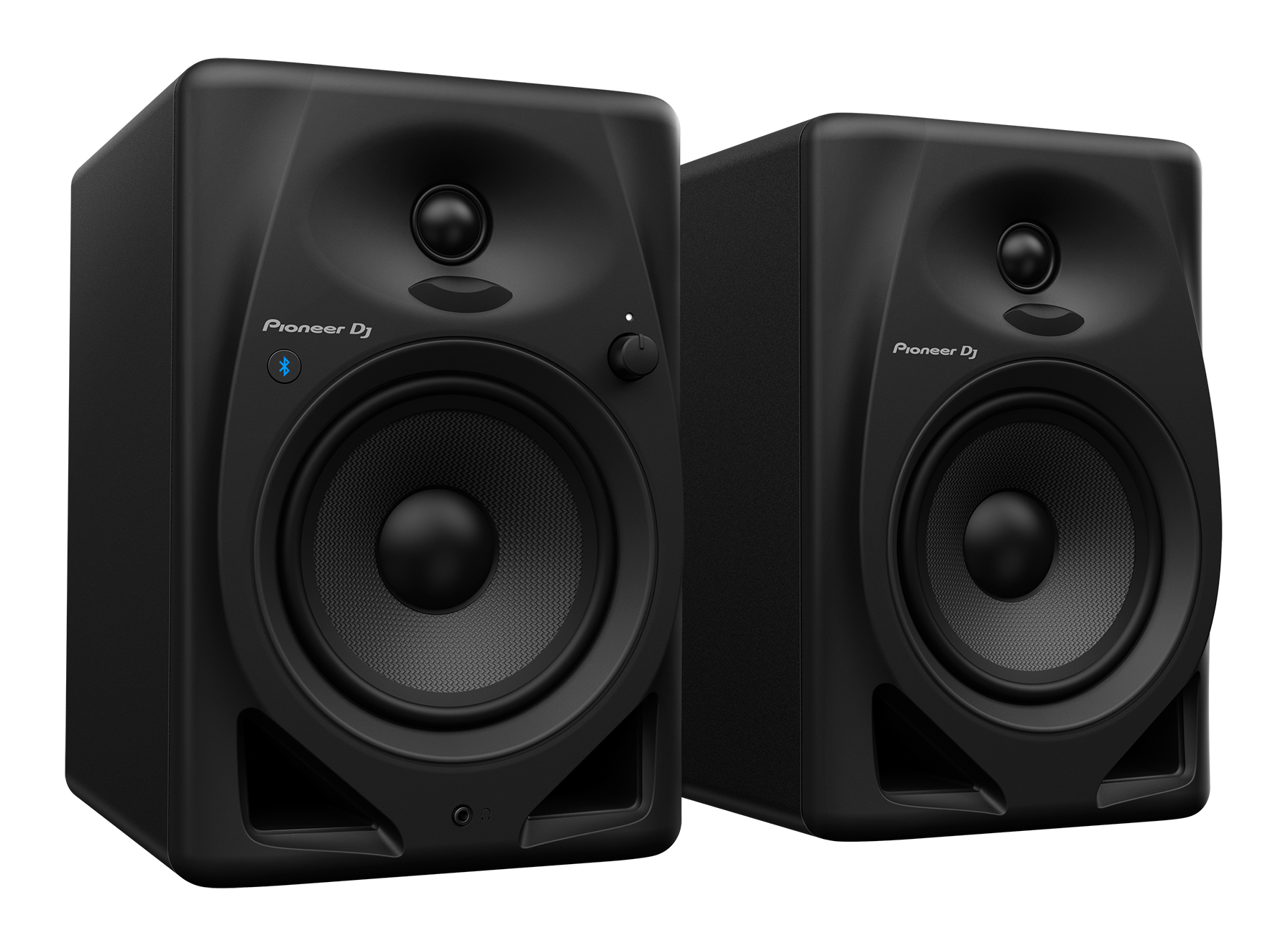
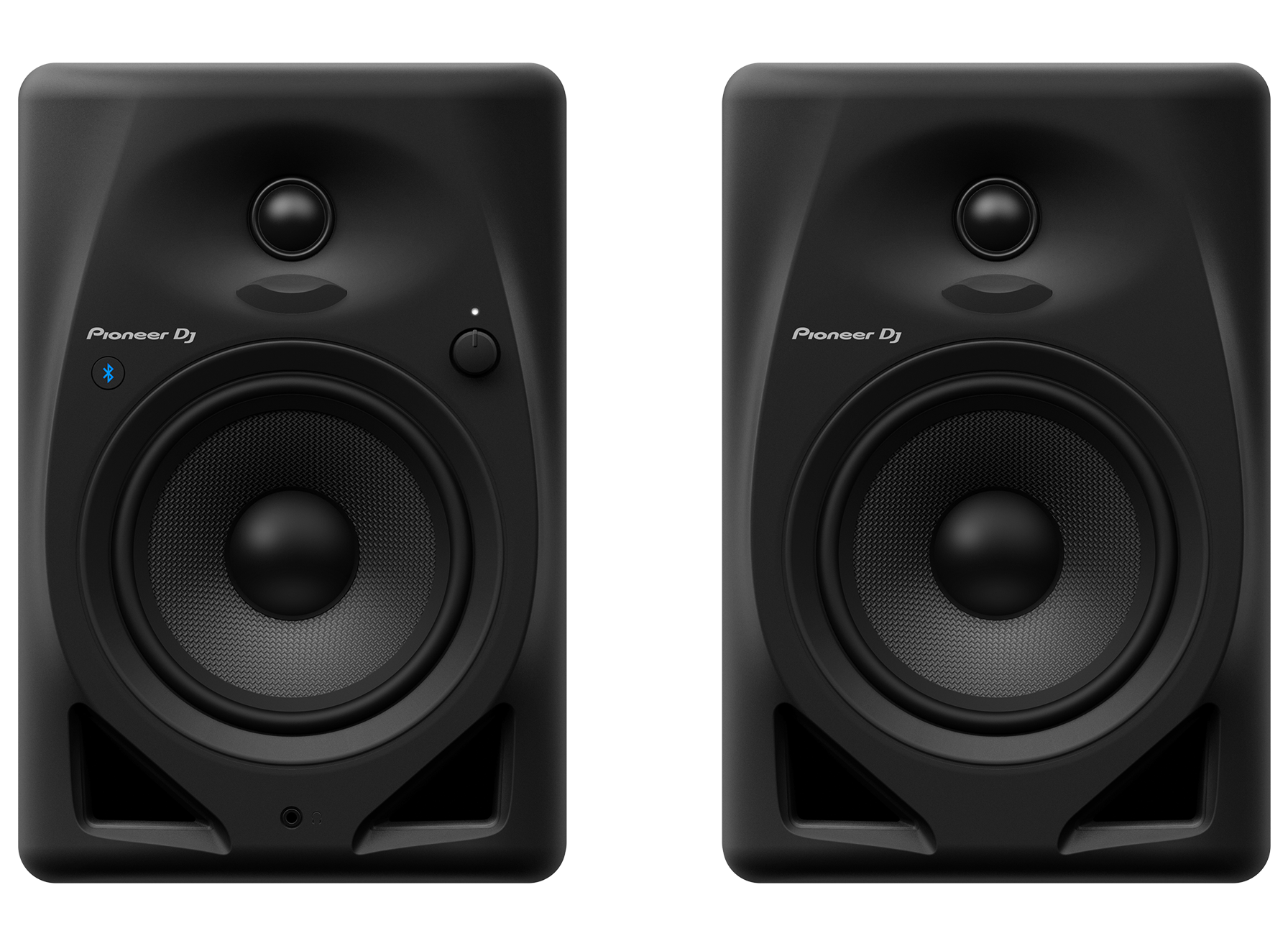
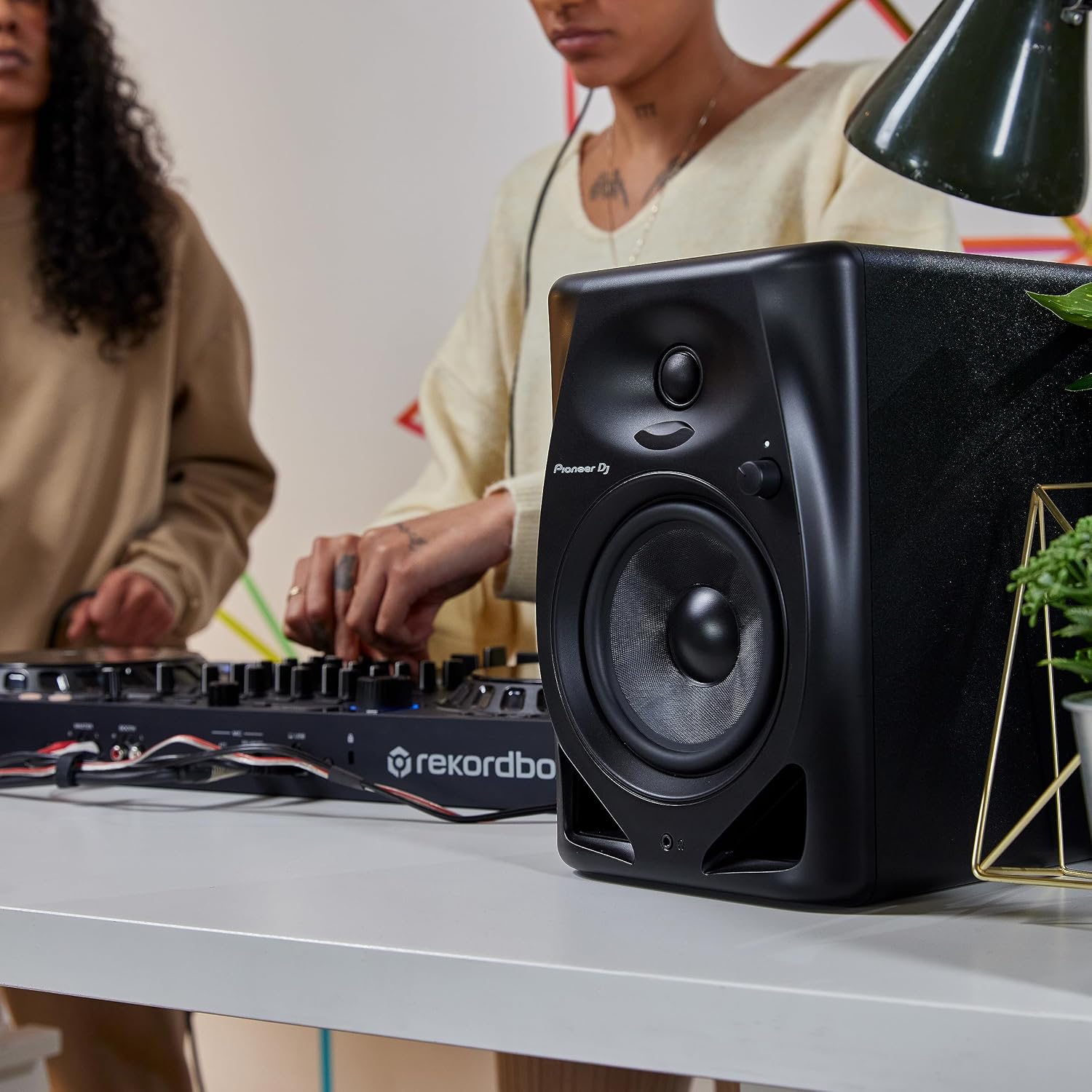
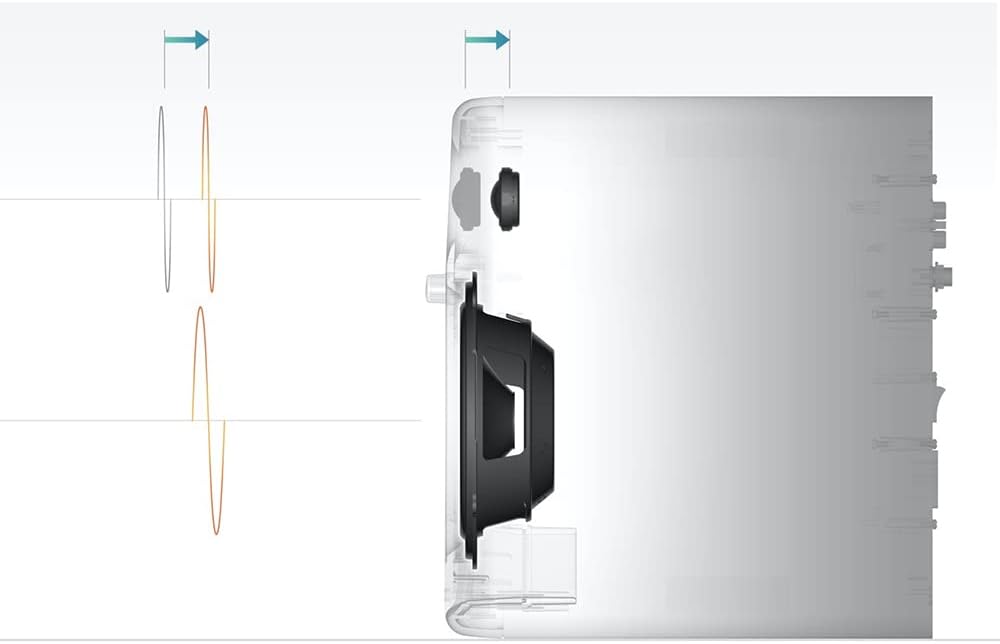
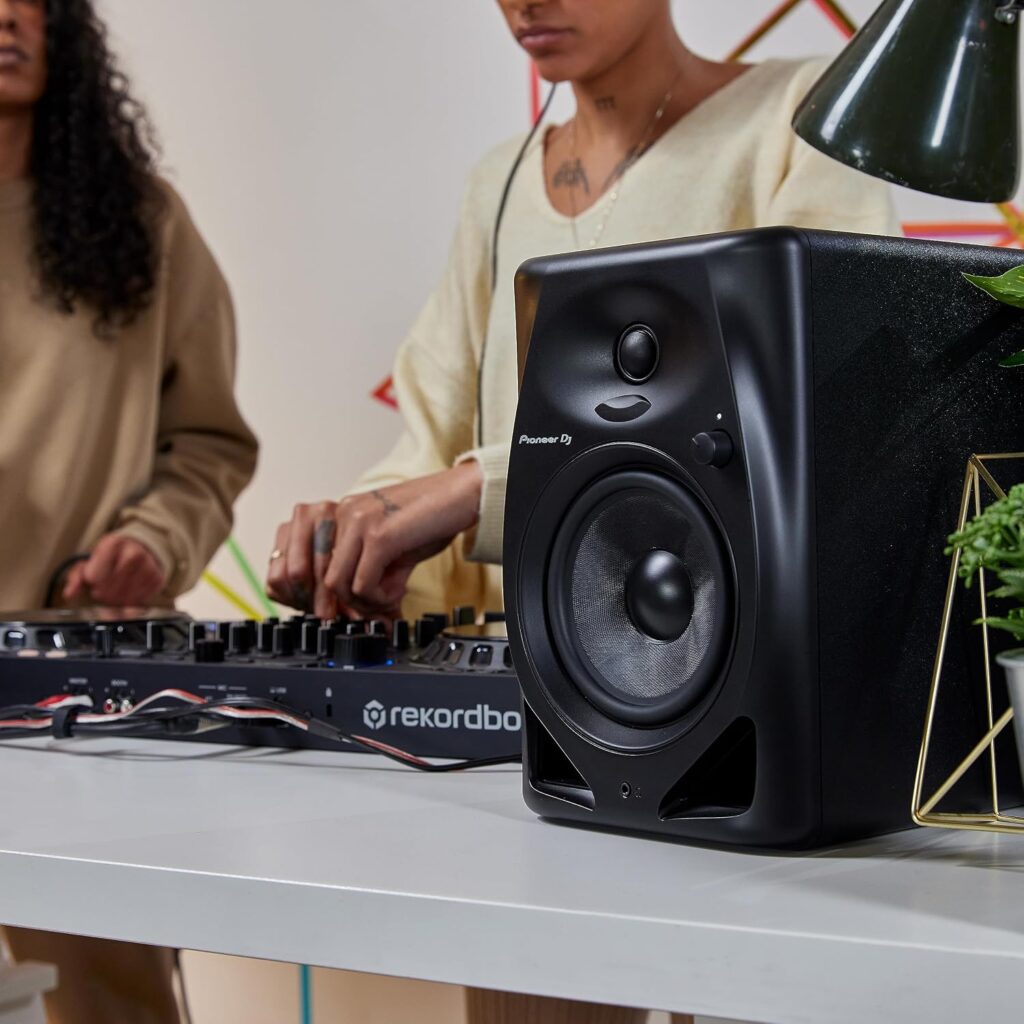
The Pioneer DJ DM-50D-BT is a pair of 5-inch active desktop monitor speakers designed for both DJ performance and music production. Unlike many entry-level monitors, they feature two distinct sound modes—DJ Mode and Production Mode—allowing you to optimize the audio depending on what you're doing.
Add Bluetooth connectivity, Class D amplification, a front bass reflex system, versatile inputs, and surprisingly refined sound, and you have a speaker system that's equally comfortable in a home studio, bedroom DJ setup, or desktop workspace.
After spending time evaluating the DM-50D-BT, one thing stood out immediately:
These speakers are refreshingly practical.
They don't force you to choose between professional monitoring and everyday convenience.
Specs
Maximum Output Power: 50 watts
Number of Audio Channels: 2
Connectivity: Bluetooth
Weight: 20.5 pounds
Speaker Size: 5 inches
Pros
Dual Sound Modes
Excellent Bluetooth Performance
Strong Bass Performance
Compact Design
Solid Build Quality
Outstanding Value
Cons
Limited Deep Sub-Bass
Bluetooth Isn't for Critical Monitoring
No Included Speaker Stands
Buying studio monitors can feel a bit like shopping for coffee.
One promises “warmth.”
Another promises “clarity.”
A third insists it has “notes of caramel and emotional growth.”
At some point, you stop reading the marketing copy and just want speakers that sound good.
That’s exactly how I felt when I looked at the Pioneer DJ DM-50D-BT.
These monitors don’t try to reinvent audio. Instead, they solve a simple problem remarkably well: they deliver accurate sound when you’re producing music or practicing a DJ set, then effortlessly switch to Bluetooth for relaxing with your favorite playlist.
It’s like having two personalities.
Fortunately, unlike my playlist after three cups of coffee, both personalities are excellent.
If you’re looking for an honest Pioneer DJ DM-50D-BT review, here’s everything I discovered and why these compact speakers have become one of my favorite recommendations for DJs, producers, gamers, and content creators.
Quick Verdict
Overall Rating: ⭐⭐⭐⭐⭐ (4.9/5)
Best For
Beginner and intermediate DJs
Home music producers
Bedroom studios
Content creators
Streamers
Casual music lovers who appreciate quality sound
Not Ideal For
Large professional studios
Producers needing extremely deep bass without a subwoofer
First Impressions
The first thing I noticed after unboxing the DM-50D-BT was how clean and modern they look.
The matte finish feels professional.
The cabinet construction feels reassuringly solid.
Nothing looks flashy for the sake of being flashy.
Pioneer DJ clearly invested in performance instead of unnecessary decoration.
I appreciate that.
After all, your audience should be staring at your DJ skills—not your speakers.
Features
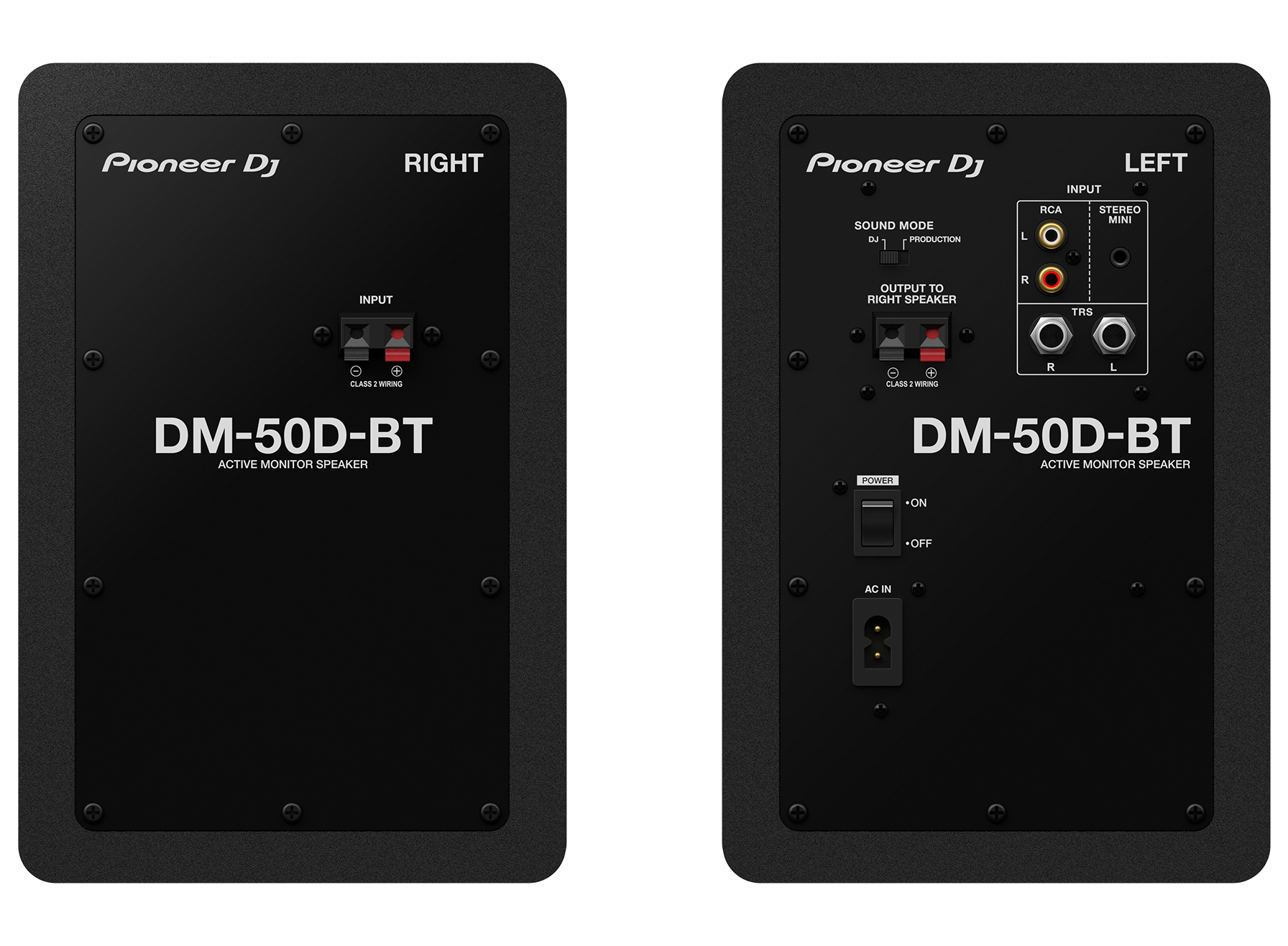
Two Sound Modes: DJ Mode and Production Mode
This is easily my favorite feature.
Instead of expecting one sound profile to suit every task, Pioneer DJ gives you two.
DJ Mode
Designed for energetic playback with a fuller, more engaging presentation that’s ideal for practicing transitions and preparing live sets.
Production Mode
Provides a flatter, more neutral response that’s better suited to mixing, editing, and producing music.
Switching between them is quick and genuinely useful.
It’s almost like hiring two different sets of speakers without needing a second desk.
Bluetooth Connectivity
The Bluetooth feature transforms these monitors into excellent everyday speakers.
When I’m finished editing music, I can stream playlists directly from my phone without changing cables or rearranging my workspace.
Simple conveniences like this make a surprisingly big difference.
Especially when your desk already resembles an archaeological dig of USB cables.
5-Inch Woofer
The 5-inch woofer delivers tight, controlled bass with impressive punch for speakers of this size.
Kick drums remain energetic.
Basslines stay defined.
Low frequencies never feel muddy.
While they won’t replace a dedicated subwoofer, they provide more than enough low-end for most home studios.
Class D Amplification
The built-in Class D amplifier produces clean, efficient power while minimizing distortion.
Everything sounds controlled even at higher listening levels.
Whether I’m practicing DJ transitions or producing a track, the speakers remain composed.
No unwanted strain.
No unpleasant surprises.
Unless you accidentally solo the wrong track.
The speakers can’t help with that.
Front Bass Reflex Design
The front-facing bass ports allow more flexible placement than many rear-ported competitors.
This is particularly useful if your desk sits close to a wall—which describes approximately ninety-eight percent of home studios.
Multiple Input Options
The DM-50D-BT offers excellent connectivity.
Compatible with:
DJ controllers
Audio interfaces
Mixers
Laptops
Desktop computers
Smartphones via Bluetooth
This versatility makes them suitable for nearly any creative setup.
Sound Quality
This is where the DM-50D-BT really impressed me.
Stereo imaging feels surprisingly spacious.
Vocals remain crisp.
Percussion stays detailed.
Bass delivers satisfying impact without overwhelming the rest of the mix.
In DJ Mode, electronic music feels lively and energetic.
In Production Mode, subtle details become easier to hear.
That’s exactly the kind of flexibility many home producers need.
Instead of forcing one sound profile onto every task, these speakers adapt to what you’re actually doing.
Imagine that.
Technology helping instead of complicating things.
Build Quality
The cabinet feels exceptionally sturdy.
The finish resists fingerprints.
The controls operate smoothly.
Everything inspires confidence.
These speakers look and feel like equipment designed for years of regular use.
Not just until next year’s product launch.
Real-World Performance
DJ Practice
Outstanding.
Transitions remain clear, punchy, and enjoyable.
Music Production
Balanced enough for confident mixing decisions.
Podcast Editing
Dialogue sounds clean and natural.
Gaming
Excellent positional audio and immersive presentation.
Casual Music Listening
Bluetooth convenience makes everyday listening effortless.
Who Should Buy the Pioneer DJ DM-50D-BT?
Beginner DJs
One of the best starter monitor systems available.
Home Producers
Excellent balance between accuracy and enjoyment.
Streamers
Clean desktop footprint with versatile connectivity.
Content Creators
Ideal for editing audio and video.
Music Lovers
High-quality sound without complicated setup.
Who Might Prefer Something Else?
If you’re building a large professional mixing studio or regularly produce bass-heavy electronic music at very high volumes, larger studio monitors may provide additional low-frequency extension.
But for most home studios, apartments, and desktop workspaces, the DM-50D-BT strikes an excellent balance between size, performance, and convenience.
Pros
Dual Sound Modes
Optimized for both DJing and production.
Excellent Bluetooth Performance
Easy wireless music streaming.
Strong Bass Performance
Punchy without becoming muddy.
Compact Design
Perfect for desktops and home studios.
Solid Build Quality
Feels durable and professional.
Outstanding Value
Versatile enough to replace multiple speaker systems.
Cons
Limited Deep Sub-Bass
Physics still applies to 5-inch drivers.
Bluetooth Isn’t for Critical Monitoring
For production work, wired connections remain the better choice.
No Included Speaker Stands
Proper positioning requires separate stands or isolation pads.
Ratings
Sound Quality
⭐⭐⭐⭐⭐ (5/5)
Detailed, balanced, and enjoyable.
Build Quality
⭐⭐⭐⭐⭐ (5/5)
Premium construction throughout.
DJ Performance
⭐⭐⭐⭐⭐ (5/5)
One of the best compact DJ monitor systems.
Music Production
⭐⭐⭐⭐⭐ (4.5/5)
Excellent for home studios.
Bluetooth Convenience
⭐⭐⭐⭐⭐ (5/5)
Fast, reliable, and genuinely useful.
Value for Money
⭐⭐⭐⭐⭐ (5/5)
Exceptional versatility at the price.
Frequently Asked Questions
Are the Pioneer DJ DM-50D-BT good for DJing?
Yes. They were specifically designed with DJs in mind and include a dedicated DJ Mode that enhances the listening experience while practicing or preparing live sets.
Can I produce music with the DM-50D-BT?
Absolutely. Switching to Production Mode provides a more neutral sound profile suitable for mixing, editing, and content creation.
Does Bluetooth reduce sound quality?
Bluetooth is excellent for casual listening and convenience. For critical music production or DJ performance, a wired connection is recommended for the most accurate monitoring.
Are these good for small studios?
Yes. Their compact footprint, front bass reflex design, and versatile connectivity make them an excellent choice for bedrooms, apartments, and desktop production setups.
Final Verdict
After evaluating the Pioneer DJ DM-50D-BT, it’s clear why they’re such a popular choice among aspiring DJs, home producers, and creators.
Their biggest strength isn’t just sound quality—it’s flexibility. The ability to switch between DJ Mode and Production Mode means these speakers adapt to how you work, whether you’re beatmatching, producing a track, editing a podcast, or simply streaming music after a long session.
The sound is clean, punchy, and well balanced, with enough low-end energy to make electronic music exciting while still preserving the clarity needed for critical listening. Bluetooth connectivity adds everyday convenience without sacrificing the professional features that matter when it’s time to create.
I also appreciate the thoughtful design. The compact cabinets fit comfortably on a desktop, the front bass reflex ports make placement easier in smaller rooms, and the overall build quality inspires confidence that these monitors are built to last.
If you’re outfitting a massive commercial studio, you’ll probably want larger monitors. But for home studios, apartments, and desktop setups, the DM-50D-BT offers an impressive combination of performance, practicality, and value.
Bottom line: If you’re looking for speakers that can handle DJ practice, music production, gaming, streaming, and casual listening without forcing you to compromise, the Pioneer DJ DM-50D-BT is one of the smartest purchases you can make. They’re the kind of speakers that quietly improve everything you do—and that’s exactly what great studio monitors should do.
 Skip to content