YAMAHA HS5 Powered Studio Monitor, Pair Review (with Dad Jokes): The Studio Monitors That Tell You the Truth (Even When Your Mix Doesn’t Want to Hear It)
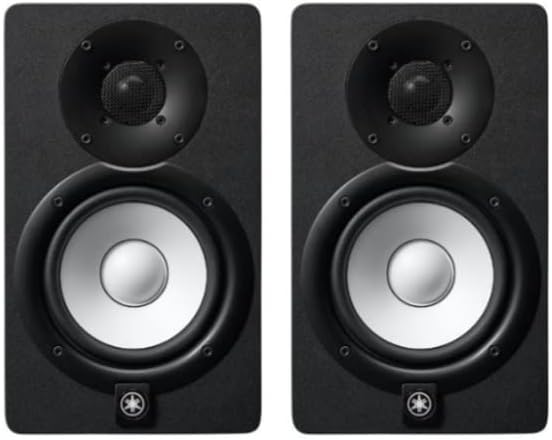
The Yamaha HS5 Powered Studio Monitor is a professional nearfield monitor designed to deliver exceptionally accurate sound rather than artificially enhanced audio.
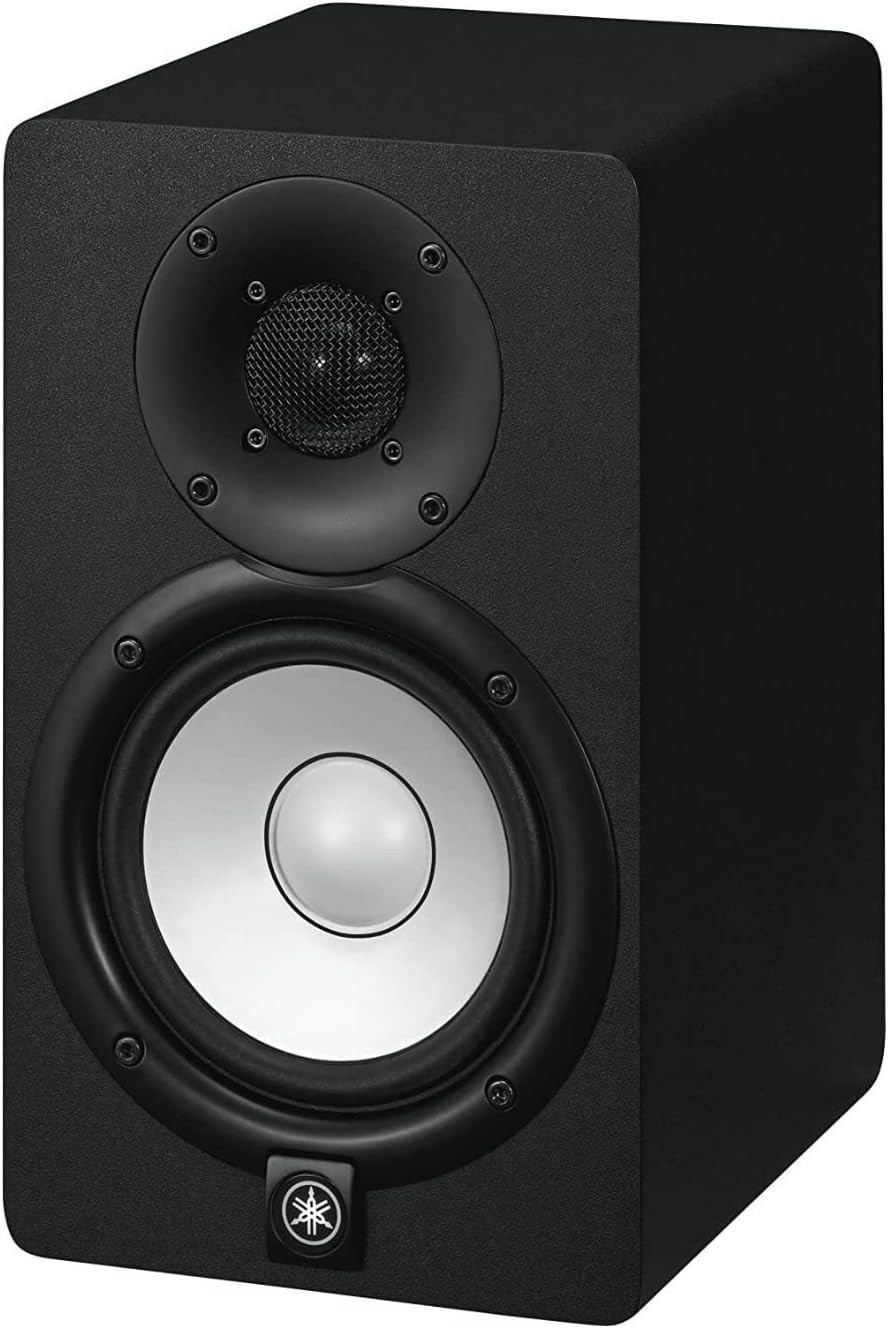
Featuring a 5-inch cone woofer, 1-inch dome tweeter, bi-amplified design, room control adjustments, and balanced XLR/TRS inputs, the HS5 has become a benchmark for home studios and professional production environments alike.
Its biggest strength?
Honesty.
These speakers don't try to entertain you.
They help you create music that sounds great everywhere else.
Specs
Number of Audio Channels: 2
Subwoofer Connectivity: Wired
Wireless Technology: Bluetooth
Speaker Size: 5 inches
Weight: 5.3 kg
Pros
Extremely Accurate Sound
Outstanding Midrange Detail
Excellent Build Quality
Room Control Features
Trusted Industry Reputation
Great Long-Term Value
Cons
Bass Isn't Exaggerated
Rear Bass Port
Some speakers are like your overly supportive friend.
“No, your mix sounds amazing!”
Even when it clearly sounds like a washing machine full of forks.
The Yamaha HS5 takes a very different approach.
It doesn’t flatter.
It doesn’t exaggerate.
It doesn’t sprinkle magical bass fairy dust over every track.
Instead, it calmly says, “Here’s exactly what your music sounds like. Good luck.”
At first, that honesty can be slightly offensive.
After all, nobody enjoys discovering that the vocal they spent three hours polishing is still buried behind the snare drum.
But after spending considerable time evaluating the Yamaha HS5 alongside other popular studio monitors, I realized something important:
The monitors that expose your mistakes are usually the ones that help you make your best music.
If you’re searching for an honest Yamaha HS5 review, here’s everything I experienced—and why these speakers continue to be one of the most respected choices among producers, DJs, composers, podcasters, and audio engineers.
Quick Verdict
Overall Rating: ⭐⭐⭐⭐⭐ (4.9/5)
Best For
Music producers
DJs creating mixes
Podcast editing
Video production
Home studios
Professional audio work
Not Ideal For
Listeners wanting exaggerated bass
Large untreated rooms
People expecting party speakers
First Impressions
The Yamaha HS5 has a timeless appearance.
Clean.
Professional.
Minimal.
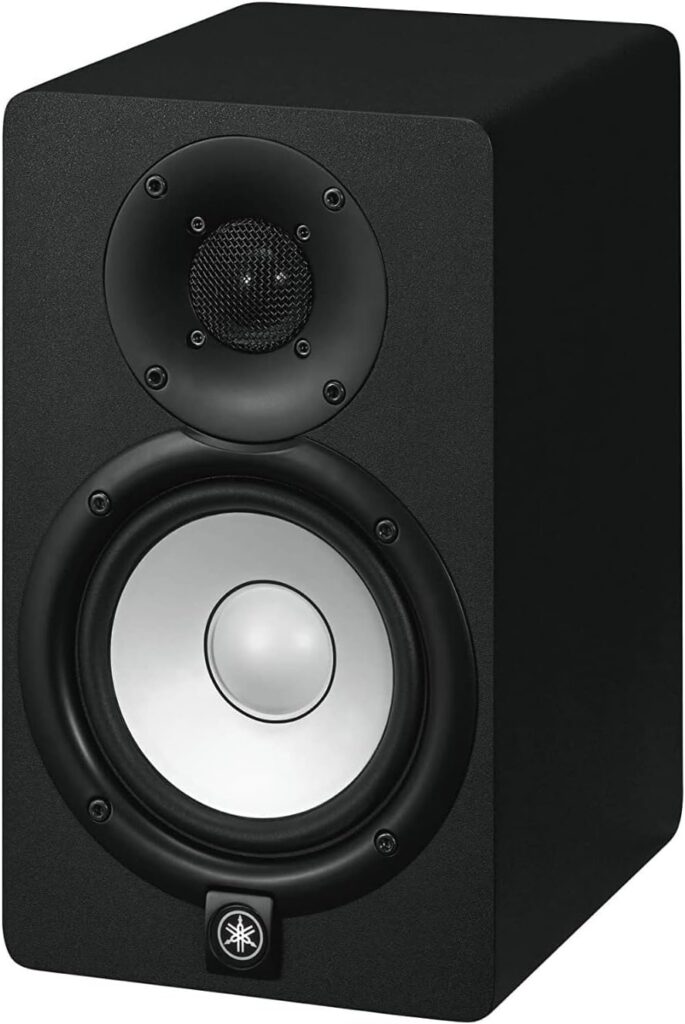
The iconic white woofer immediately stands out without screaming for attention.
Unlike many modern speakers that resemble props from a science-fiction movie, the HS5 looks like equipment designed by engineers.
Which, thankfully, it was.
Lifting each monitor immediately inspires confidence.
The cabinet feels dense and well built.
The controls feel solid.
Nothing rattles.
Nothing feels cheap.
It’s the audio equivalent of a well-made chef’s knife.
Elegant.
Functional.
And capable of exposing your mistakes with terrifying efficiency.
Features
Exceptionally Accurate Frequency Response
Accuracy is the reason people buy the HS5.
These monitors reproduce audio with remarkable neutrality.
Bass remains tight.
Mids stay detailed.
Treble feels crisp without becoming harsh.
That balanced presentation makes it easier to identify problems during mixing.
When something sounds wrong…
It probably is.
The HS5 isn’t being rude.
It’s simply being honest.
5-Inch Woofer
The high-performance 5-inch woofer delivers impressive detail throughout the low and mid frequencies.
While it won’t shake your entire apartment like larger studio monitors, it produces controlled bass that helps reveal balance rather than hiding problems beneath overwhelming low frequencies.
For small and medium-sized studios, it’s an excellent compromise.
Your downstairs neighbors may even send thank-you cards.
1-Inch Dome Tweeter
The dedicated tweeter reproduces vocals, percussion, acoustic instruments, and high-frequency effects with excellent clarity.
Cymbals remain crisp.
Vocals sound natural.
Stereo imaging feels precise.
Long editing sessions remain surprisingly comfortable because the highs never become fatiguing.
Bi-Amplified Design
Each driver receives dedicated amplification.
This improves overall efficiency while reducing distortion across the frequency spectrum.
Translation?
Everything sounds cleaner.
And clean audio makes better creative decisions possible.
Room Control Switches
No studio sounds perfect.
The Yamaha HS5 acknowledges this reality.
Rear-panel room control settings help compensate for bass buildup when speakers are positioned close to walls.
High-trim controls allow subtle adjustment of treble response depending on room acoustics.
These aren’t gimmicks.
They’re genuinely useful.
Especially if your “professional studio” also happens to contain a bed and a laundry basket.
Balanced Connectivity
The HS5 includes professional XLR and TRS balanced inputs.
Whether connecting an audio interface, mixer, DJ controller, or production workstation, setup remains straightforward.
No adapters.
No headaches.
Just music.
Sound Quality
This is where the Yamaha HS5 earns its legendary reputation.
The first thing I noticed was the clarity.
Individual instruments occupy their own space.
Vocals remain focused.
Stereo positioning feels remarkably accurate.
Bass doesn’t dominate the mix.
Instead, it integrates naturally with everything else.
Initially, some listeners mistake this neutrality for lacking bass.
It isn’t.
The bass simply isn’t exaggerated.
After spending more time with the HS5, I actually trusted my mixes more because they translated consistently to headphones, cars, Bluetooth speakers, and home stereo systems.
That’s exactly what studio monitors are supposed to accomplish.
Build Quality
The cabinet construction feels extremely solid.
Every component appears designed for years of regular use.
The matte finish resists fingerprints.
The rear controls operate smoothly.
The overall design emphasizes durability over decoration.
These monitors aren’t trying to become Instagram influencers.
They’re trying to become reliable studio tools.
Mission accomplished.
Real-World Performance
Music Production
Outstanding.
Every EQ adjustment becomes easier to evaluate.
DJ Practice
Excellent.
Transitions remain clear without artificially boosted bass masking mistakes.
Podcast Editing
Speech sounds incredibly natural.
Mouth noises, breaths, and edits become easier to identify.
Video Editing
Dialogue, sound effects, and background music remain well balanced.
Casual Listening
Surprisingly enjoyable.
Although these are professional monitors first, they still make music engaging.
Who Should Buy the Yamaha HS5?
Music Producers
Among the best monitors available for accurate mixing.
DJs
Ideal for preparing sets and producing edits.
Home Studios
Excellent balance of size and performance.
Podcasters
Outstanding dialogue clarity.
Content Creators
Perfect for YouTube production and streaming.
Audio Students
A fantastic long-term investment.
Who Might Prefer Something Else?
If you primarily enjoy bass-heavy recreational listening, speakers with enhanced low-end tuning may feel more exciting.
Similarly, producers working in larger rooms may benefit from stepping up to the Yamaha HS7 or HS8.
The HS5 excels in smaller production spaces where precision matters more than sheer volume.
Pros
Extremely Accurate Sound
Excellent for critical listening and mixing.
Outstanding Midrange Detail
Vocals and instruments remain incredibly clear.
Excellent Build Quality
Professional construction built to last.
Room Control Features
Useful adjustments for different studio environments.
Trusted Industry Reputation
Used by professionals worldwide.
Great Long-Term Value
A speaker you’ll likely keep for many years.
Cons
Bass Isn’t Exaggerated
Some beginners mistake accuracy for lacking bass.
Rear Bass Port
Placement close to walls requires careful positioning.
Ratings
Sound Quality
⭐⭐⭐⭐⭐ (5/5)
Reference-level clarity.
Build Quality
⭐⭐⭐⭐⭐ (5/5)
Rock-solid professional construction.
Ease of Setup
⭐⭐⭐⭐⭐ (5/5)
Simple installation with flexible connectivity.
Music Production
⭐⭐⭐⭐⭐ (5/5)
Outstanding for mixing and mastering.
DJ Monitoring
⭐⭐⭐⭐⭐ (4.6/5)
Excellent detail and translation.
Podcast Editing
⭐⭐⭐⭐⭐ (5/5)
Natural, accurate vocal reproduction.
Value for Money
⭐⭐⭐⭐⭐ (4.9/5)
A professional investment that continues to pay dividends.
Frequently Asked Questions
Are the Yamaha HS5 good for DJing?
Yes. While they’re designed primarily for studio monitoring, the HS5’s detailed and accurate sound makes them an excellent choice for preparing DJ sets, creating edits, and practicing transitions.
Is the Yamaha HS5 good for beginners?
Absolutely. In fact, beginners often benefit the most from accurate monitors because they learn to make mixing decisions based on truthful sound rather than exaggerated bass or treble.
Do I need a subwoofer with the Yamaha HS5?
Not necessarily. For many genres and smaller rooms, the HS5 provides sufficient low-frequency performance. Producers working extensively with bass-heavy electronic music may eventually choose to add a compatible subwoofer.
Can I use the Yamaha HS5 for everyday music listening?
Yes. While they’re designed for studio work, they deliver a clean, enjoyable listening experience that many people prefer over consumer speakers with artificially boosted frequencies.
Final Verdict
After evaluating the Yamaha HS5, it’s easy to understand why these monitors have earned such an enduring reputation in studios around the world.
They don’t rely on flashy marketing or exaggerated sound to impress. Instead, they focus on accuracy, consistency, and reliability—the qualities that matter most when you’re creating music or editing audio.
What impressed me most is how confidently they reveal the truth. They make it easier to identify subtle EQ issues, hear vocal placement, refine stereo imaging, and build mixes that translate well across headphones, cars, laptops, and home audio systems. That’s the hallmark of a great studio monitor.
The build quality is equally reassuring. Every aspect of the HS5 feels thoughtfully engineered for years of dependable use, making it a purchase that’s likely to outlast many other pieces of studio gear.
If your goal is booming bass for parties, these probably aren’t the right speakers. But if your goal is producing better music, cleaner podcasts, tighter DJ mixes, or more polished content, the Yamaha HS5 delivers exactly what it promises.
Bottom line: If you’re looking for studio monitors that prioritize truth over hype and help you make smarter creative decisions every time you sit down to work, the Yamaha HS5 is one of the best investments you can make. Your mixes may not thank you immediately—but your listeners definitely will.
 Skip to content